




On May 23, 2026, a scenario-based practical training session was organized by the Educational-Methodological Department of the University of Public Safety of the Republic of Uzbekistan, in cooperation with the Departments of "Educational and Psychological Support of Service Activities" and "Ensuring Public Safety." The event was held within the framework of the curricula for "Psychology of Communication and Negotiation in Public Safety Activities" and "Traffic Safety Enforcement Activities."
The practical training, which involved cadets from the 3rd Cadet Battalion of the Bachelor's Faculty at the University of Public Safety specializing in "Educational and Psychological Support of Service Activities" and "Traffic Safety Enforcement Activities," was deployed across three training stations focusing on the following topics:
"Operational Responses of Officers During a Traffic Accident";
"Effective Utilization of the Profiling Method in Crowded Public Places";
"Tactics of Communication and Negotiation."
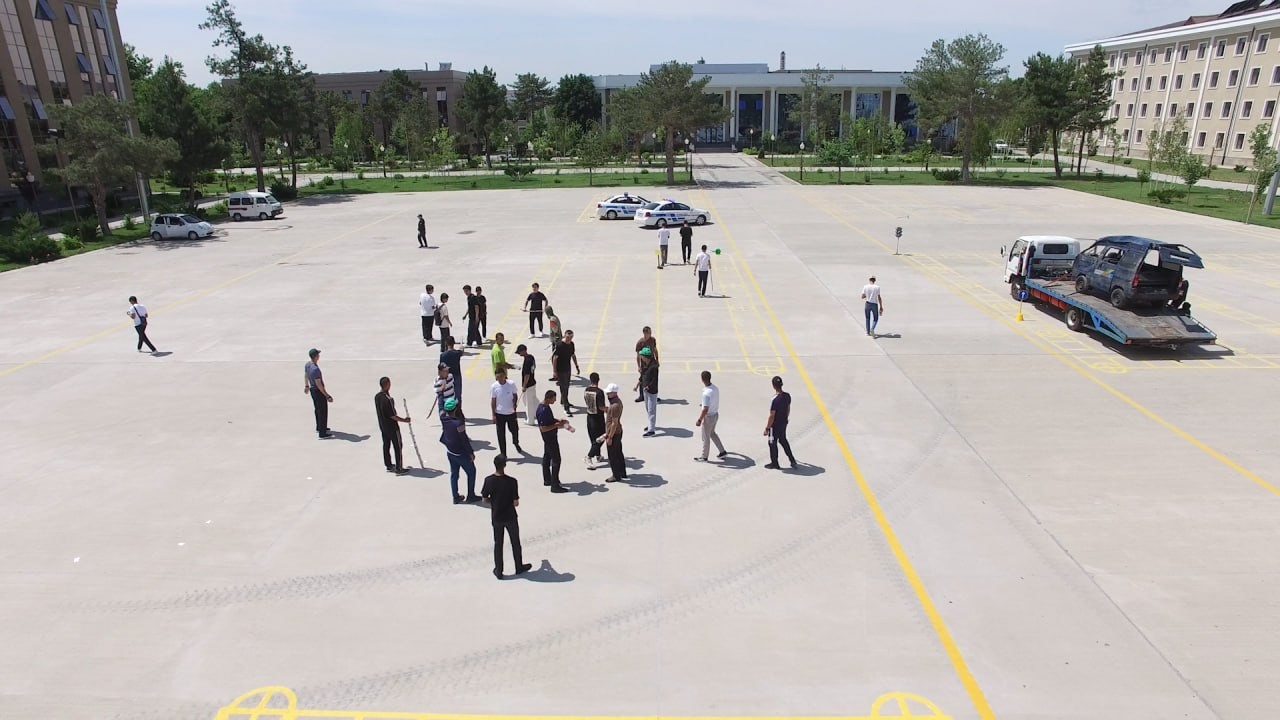
At the first training station, dedicated to "Operational Responses of Officers During a Traffic Accident," sequential practical actions were executed. These included traffic police officers and psychological specialists providing first aid and psychological support to victims of a simulated traffic accident, as well as processing relevant documentation at the scene and conducting a legal assessment of the situation.
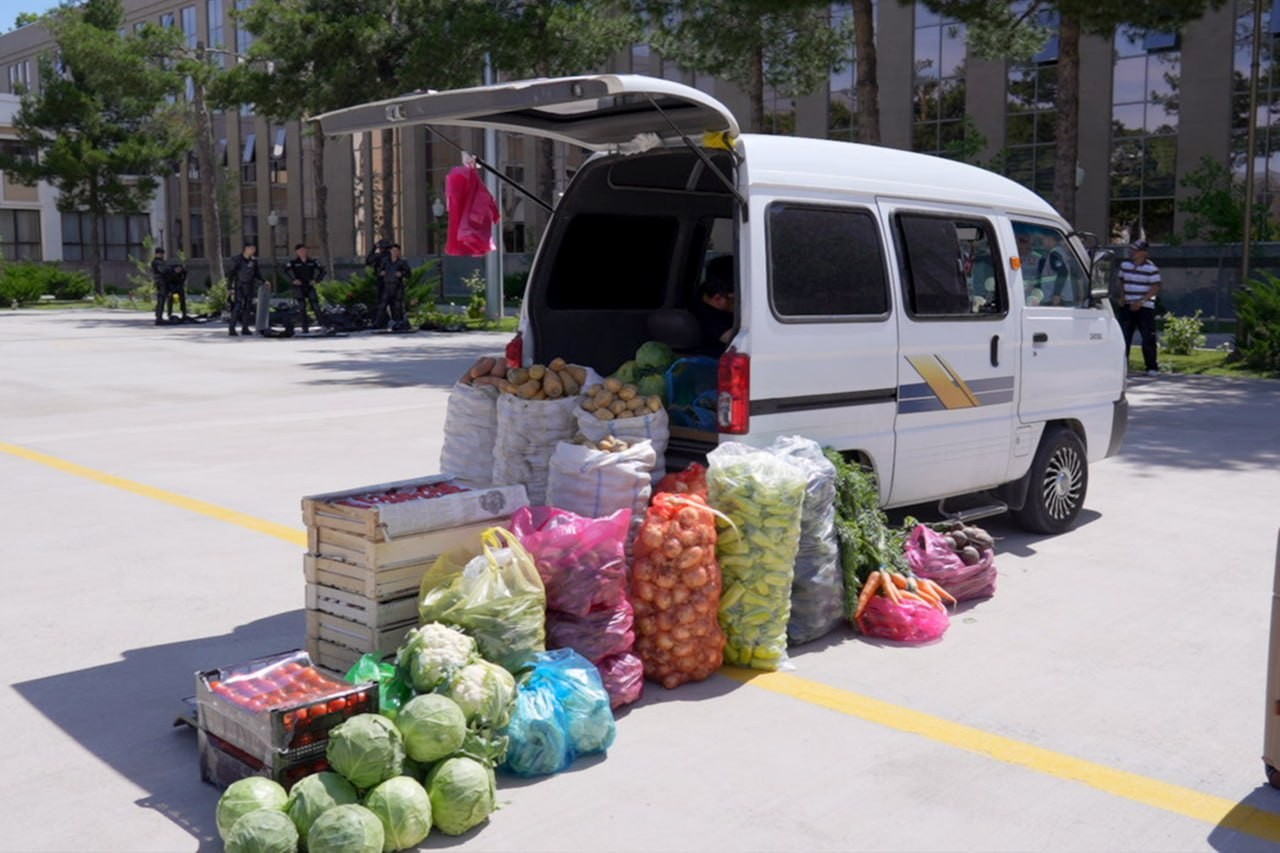
At the second training station, focusing on "Effective Utilization of the Profiling Method in Crowded Public Places," role-playing exercises were conducted within a simulated marketplace. Cadets performed simulated tasks such as the psychological profiling of suspicious individuals through observation, along with employing psychological techniques to establish contact and communicate with them.
At the third training station, covering "Tactics of Communication and Negotiation," practical demonstrations featured methods of verbal psychological influence on crowds during simulated mass unrest, psychological tactics for communication and negotiation, and psycho-motivational techniques designed to boost the morale of personnel.
The correct execution of all actions by the cadets at the aforementioned training stations, as well as the proficiency demonstrated during the process, were evaluated by the faculty and teaching staff of the respective departments.
The scenario-based practical training was conducted with the involvement of personnel, military hardware, and official vehicles from the Battalion for Security and Educational Process Support of the University of Public Safety, the Traffic Safety Department and the Patrol-Post Service of the Main Department of Internal Affairs of the Tashkent Region under the Ministry of Internal Affairs of the Republic of Uzbekistan, as well as the Directorate of the National Guard for the Tashkent Region.
This practical training session contributed to the formation of practical knowledge, skills, and professional competencies among the cadets, while also fostering their adaptability for future service activities.
